

Solar panel power output is one of the first specifications buyers look at when comparing photovoltaic modules. However, the wattage printed on a solar panel represents its rated power under standardized test conditions rather than the exact amount of electricity it will produce throughout the day.
Understanding the factors behind solar panel output can help buyers make better decisions when designing or purchasing a PV system.
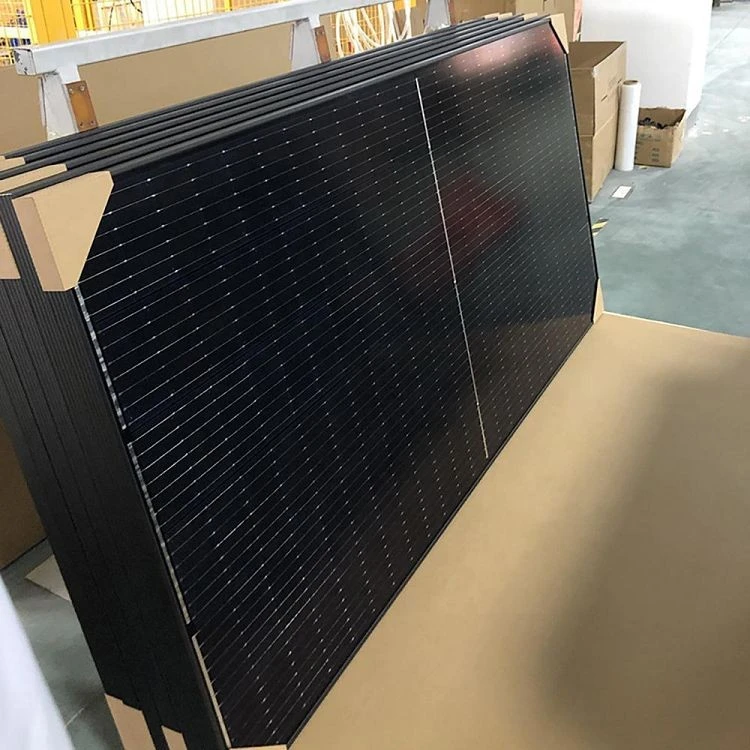
What Does Solar Panel Wattage Mean?
Solar panel power is generally expressed in watts (W).
A 100W solar panel, for example, has a rated maximum power of 100 watts under specified testing conditions. Similarly, 400W, 500W and 600W modules represent different nominal power classes.
PV cells convert sunlight into electricity through the photovoltaic effect. Multiple cells are connected together to form a module, while multiple modules can be connected to create a larger solar array.
The rated wattage is therefore useful for comparing modules, but it should not be interpreted as guaranteed continuous output.
Solar Irradiance
The amount of sunlight reaching the panel is one of the most important factors affecting actual output.
More available solar irradiance generally provides more energy for the photovoltaic cells to convert into electricity. Cloud cover, atmospheric conditions, shading and the position of the sun can all change the amount of irradiance received by a module.
This is why a solar panel may produce different amounts of electricity at different times of the day and under different weather conditions.
Temperature
Temperature also affects photovoltaic performance.
Solar cells generally operate more efficiently at lower temperatures, while higher temperatures can reduce voltage and therefore affect power output.
This is particularly relevant in regions with strong sunlight and high ambient temperatures. A location with excellent solar irradiation may still experience output losses when module operating temperatures become high.
For this reason, module temperature coefficients are useful specifications when evaluating solar panels for different climates.
Shading
Even partial shading can affect the energy production of a solar array.
Trees, buildings, poles, rooftop equipment and other obstacles should therefore be considered during system planning.
The impact of shading depends on the system architecture and module configuration. Technologies such as module-level power electronics can also influence how shading affects an array.
Panel Orientation And Tilt
The direction and angle of a solar panel determine how much sunlight reaches its surface.
The optimal orientation and tilt depend on geographical location and project design. The U.S. Department of Energy notes that mounting structures are designed according to factors such as local latitude, orientation and electrical load requirements.
Poor positioning can reduce the amount of sunlight captured by the module even when the panel itself has a high rated power.
Solar Panel Efficiency
Efficiency describes how effectively a solar cell converts incoming solar energy into electrical energy.
A higher-efficiency module can produce more power from a given amount of installation area, assuming comparable conditions. This can be particularly useful where available roof or ground space is limited.
However, efficiency should not be considered separately from module dimensions, power rating, temperature characteristics and system design.
Panel Technology
The type of photovoltaic technology also affects module performance.
Common crystalline-silicon options include monocrystalline solar panels and N-type TOPCon solar panels. Bifacial modules introduce another design consideration because they can potentially collect light from the rear side as well as the front under appropriate installation conditions.
Understanding Real-World Output
Actual solar energy production is influenced by multiple factors rather than one specification.
Heat, dirt, shading and other environmental conditions can reduce the energy harvested compared with laboratory or standardized test conditions.
Therefore, when comparing a 400W, 500W or 600W solar panel, buyers should look beyond the wattage and consider the complete system design and expected operating environment.